
Cleo`s journey back into the wild
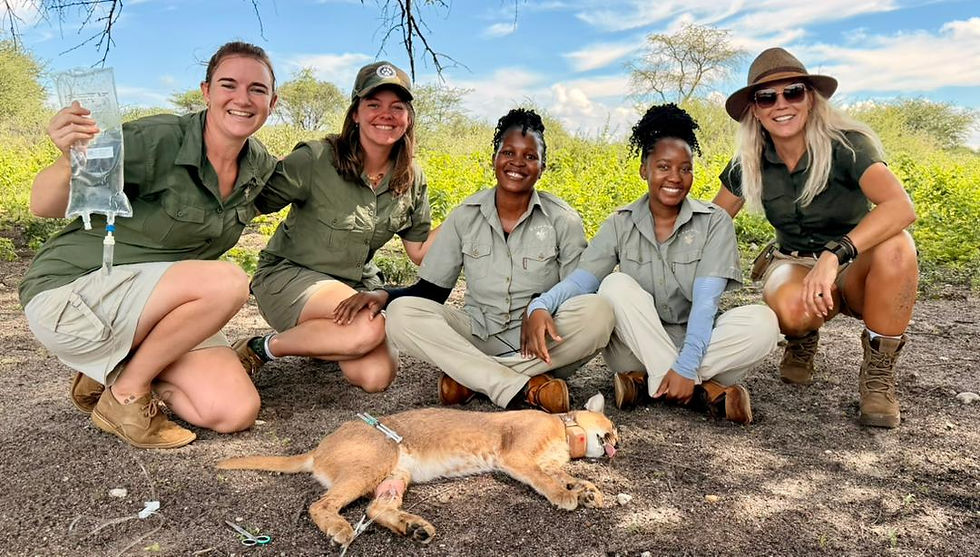
When Cleo first arrived at the Naankuse Foundation Wildlife Sanctuary, she was a fragile, wide eyed orphan, brought in after human wildlife conflict tragically claimed the life of her mother. At that moment, her future was uncertain. What was certain, however, was the commitment of the Nankuse team to give her a second chance. From her very first days, Cleo received round the clock care, expert guidance, and the patience required to raise a wild animal without allowing her to become dependent on humans.
Every feeding, every health check, and every step of her development was guided by one core principle: Cleo belonged in the wild. Rehabilitation is never about creating permanent sanctuary residents when release is possible. It is about preparing animals for the life nature intended for them.
As Cleo grew stronger and more independent, her instincts began to shine through. She developed the sharp awareness, hunting drive, and cautious nature essential for survival. Throughout her rehabilitation, her caregivers worked carefully to ensure that human interaction was kept to the minimum necessary for her wellbeing. The goal was always clear. Cleo was never meant to stay. Freedom was always part of her story.
When the time came for the next step in her journey, Cleo was relocated to the Harnas Foundation Wildlife Sanctuary in eastern Namibia. This landscape offered everything she would need to transition successfully back into the wild. The area provides suitable habitat, natural prey species, and the presence of other wild caracals in the wider ecosystem. It was the ideal place for Cleo to rediscover life on her own terms while still being monitored for her safety and success.
On 29 January 2026, Cleo took her final steps back into the wild where she truly belongs. Watching her disappear into her natural environment marked the culmination of months of dedication, expertise, and hope from everyone involved in her care.
Before release, Cleo was fitted with a GPS tracking collar. This technology allows conservation teams to follow her movements, monitor her adaptation, and ensure she continues to thrive. Tracking also contributes valuable data that supports future conservation and rehabilitation efforts for caracals and other species facing similar challenges.
Stories like Cleo’s highlight both the impact of human wildlife conflict and the power of responsible conservation. They remind us that while conflict can cause devastating loss, careful intervention and rehabilitation can help restore balance.
Returning the wild to the wild remains the guiding philosophy behind Naankuse’s work. Cleo’s journey is a powerful example of what is possible when science, compassion, and long term conservation vision come together.
Today, Cleo is where she was always meant to be. Free, wild, and shaping her own future across the Namibian landscape.


Comments